
When users ask about the difference between slope protection netting, rockfall netting and rockfall barriers, they are usually asking about three different levels: an application range, a mesh material and a protection system.
They are all related to slopes, falling rocks and protection, but they are not fully interchangeable. In simple terms:
- Slope protection netting is a broader term. It emphasizes the use of protection on slopes.
- Rockfall netting is more specific. It usually refers to mesh material used for rockfall control or slope coverage.
- A rockfall barrier is more like a system. It is used to intercept rocks that have already fallen.
If these terms are not separated first, it is easy to mix mesh roll material with a complete engineering system when reading specifications, drawings, inquiries or supply scope.
1. Slope Protection Netting: Start With the Application
Slope protection netting means netting used for slope protection, but in project communication it does not always point to one fixed structure.
When a user says slope protection netting, it may simply mean that the mesh is used on a slope. The exact mesh type still depends on the project requirement.
It may involve:
- Steel wire mesh rolls
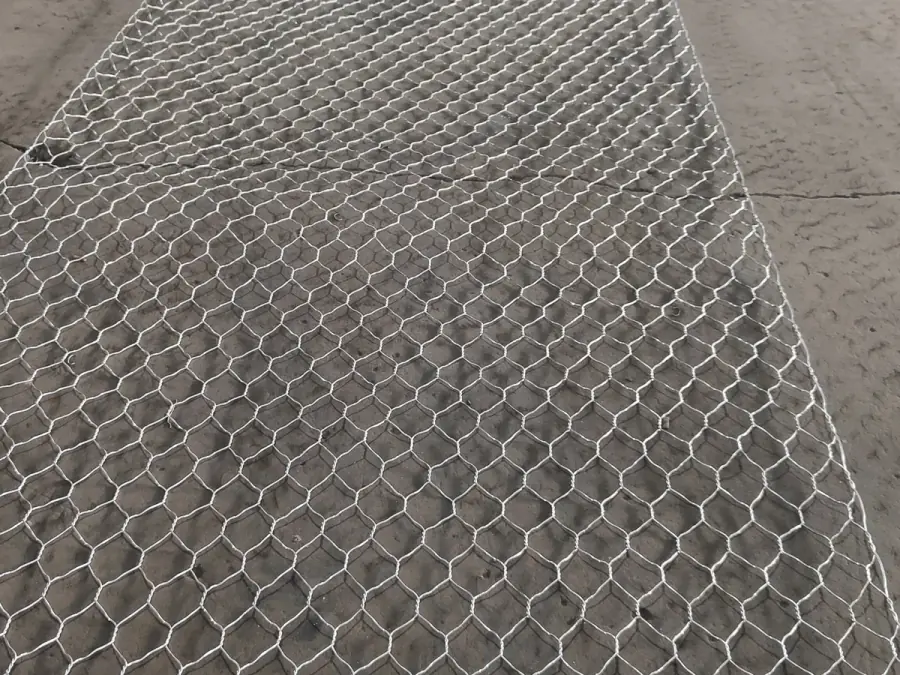
- Double twisted hexagonal mesh
- Steel rope net
- Grating mesh
- Slope coverage material
- Mesh used as part of an active protection system
- Connectors, anchoring parts or other related materials
So this term has the broadest range. It tells us the application is slope protection, but it does not yet define the exact product.
If the project only says slope protection netting, the safer understanding is that the product type is not fully clear yet. Drawings, specifications or photos are still needed for confirmation.
2. Rockfall Netting: Focus on Mesh Material for Rockfall Control
Rockfall netting is more specific than slope protection netting. It is usually used on slopes with rockfall risk, helping cover the slope, restrain loose rocks or guide smaller falling stones along the slope surface.
In export websites and procurement communication, rockfall netting often refers to mesh material supplied in rolls. Yuelian's main product scope is double twisted hexagonal rockfall netting rolls.
This product is usually described by:
- Mesh opening
- Wire diameter
- Selvedge wire
- Roll width
- Roll length
- Surface treatment
- Lacing wire if required

Rockfall netting rolls are a material. They can be used in slope protection projects, but they are not the whole project by themselves. Whether the project also needs anchors, cables, fixing parts, support components or installation design depends on the engineering plan.
3. Rockfall Barrier: Focus on the Interception System
The difference between rockfall barrier and rockfall netting is more obvious.
Rockfall netting is usually used close to or on the slope surface. A rockfall barrier is usually placed near the slope toe, beside roads, beside railways or in front of protected areas, where it intercepts rocks that have already rolled, bounced or fallen.
A rockfall barrier is often not one single mesh. It may include:
- Posts
- Steel cables
- Ring nets or other interception nets
- Energy-dissipating components
- Foundations
- Connectors
- Site design and installation requirements
So if a project document says rockfall barrier, it should not be understood as an ordinary mesh roll. It may involve system design, impact energy, post spacing, foundation conditions and site installation. These are not part of ordinary rockfall netting rolls themselves.
4. Active Protection and Passive Protection Are Another Pair of Concepts
Many users also ask about active protection and passive protection.
Active protection usually handles the risk on the slope surface, keeping loose rocks covered, fixed or restrained near the slope. Rockfall netting can appear in this type of application, but it is only one material.
Passive protection usually places a barrier in the rockfall path and intercepts stones after they fall. Rockfall barriers are closer to this direction.
These two terms describe protection methods. They are not the name of one roll of mesh.
5. A Simple Way to Compare the Terms
The table below can be used for a quick distinction:
| Term | Main focus | Closer meaning |
|---|---|---|
| Slope protection netting | Slope protection application | Broad term, may include different mesh materials or systems |
| Rockfall netting | Rockfall control and slope coverage | Mesh material, often supplied in rolls |
| Rockfall barrier | Intercepting rocks after they fall | Passive interception system |
| Active protection | Controlling risk on the slope | Protection method, may include mesh and anchoring |
| Passive protection | Intercepting rocks in the falling path | Protection method, often a barrier system |
If the question is only about the difference, this explanation is enough. These terms should not be treated as one product from the beginning.
6. Material Selection Should Start With the Project Type
Slope protection netting is a broad application term. Rockfall netting is more specific and usually refers to mesh used for rockfall control and slope coverage. Rockfall barrier is closer to a passive interception system.
They are all related to rockfall protection, but their supply scopes are different. Whether a project needs slope coverage mesh or a complete interception system should be determined first by drawings, specifications or the engineering plan.
If the project needs double twisted hexagonal rockfall netting rolls for slope coverage, the focus should be on mesh opening, wire diameter, selvedge wire, roll size, coating and quantity. If the project needs a complete active protection system or passive rockfall barrier, it should not be understood only as ordinary mesh rolls. The system configuration and engineering design requirements also need to be confirmed.
Quick Inquiry
Need help checking mesh opening?
Qualified overseas buyers can request a free sample within 1 square meter before bulk order confirmation.